The Hidden SaaS Tax Startups Pay to Hire
You finally close your Series A. You have budget to hire. So you do what every startup does: you sign up for the tools.
LinkedIn Recruiter. An ATS. Sourcing software. Maybe a scheduling tool. Before your first recruiter sends a single InMail, you're spending $3,000–$5,000 per month on software alone.
That's the SaaS tax on hiring. And most founders don't realize they're paying it until they look at their burn rate six months in.
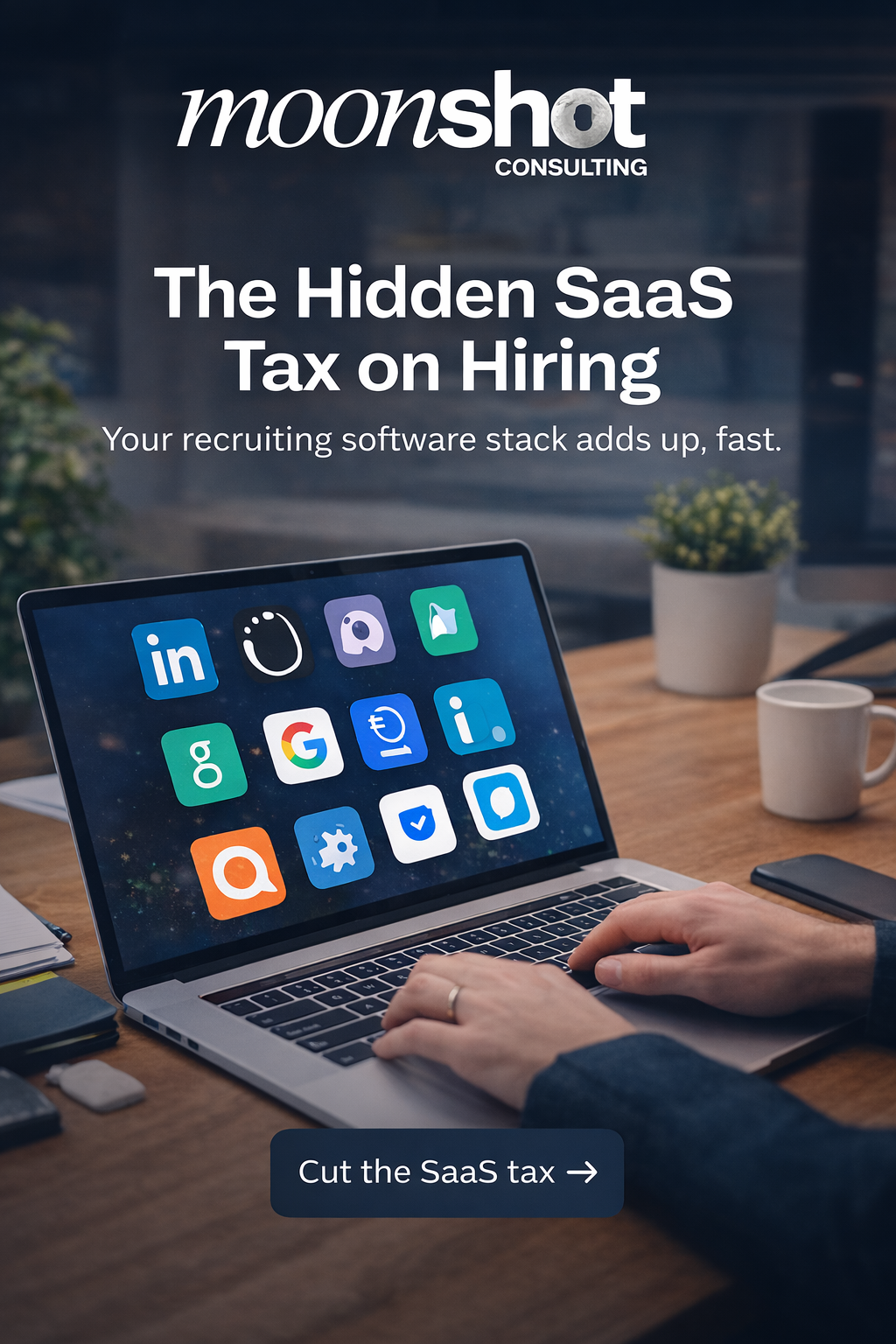
Most startups spend $3,000 to $5,000 per month on recruiting software before their first recruiter sends a single outreach
What the SaaS Tax Actually Costs
Let's break it down. A typical startup hiring 3–5 roles at a time is paying for some combination of:
• LinkedIn Recruiter Lite or Corporate: $1,080–$8,999/year per seat
• ATS (Greenhouse, Lever, Ashby): $5,000–$25,000/year
• Sourcing tools (Gem, hireEZ, SeekOut): $5,000–$15,000/year
• Scheduling software (GoodTime, Calendly Teams): $1,200–$5,000/year
• Background checks, assessments, job boards: another $2,000–$10,000/year
Add it up. A modest recruiting tech stack runs $15,000–$60,000 per year. That's before you pay a single recruiter's salary.
For a 20-person startup trying to grow to 40, that's real money. It's a full engineering salary spent on software licenses that sit idle half the year.
The Tax Gets Worse When Hiring Slows Down
Startups don't hire at a constant rate. You hire in bursts: three roles after a funding round, then nothing for two months, then five more roles when a new product launches.
But the tools don't care about your hiring rhythm. LinkedIn Recruiter bills monthly. Your ATS contract is annual. Sourcing tools auto-renew.
During the quiet months, you're paying full price for tools nobody is using. The SaaS tax becomes a SaaS waste.
It's Not Just the Money. It's the Time.
Every tool needs an admin. Someone has to set up the ATS workflows, configure the sourcing sequences, manage the LinkedIn seats, and keep everything integrated.
At a big company, that's an operations team. At a startup, it's the founder or the one recruiter you just hired who should be spending their time talking to candidates.
The hidden cost isn't just the subscription fees. It's the hours spent managing tools instead of closing hires.
What If the Tools Came With the Recruiter?
This is the idea behind fractional recruiting. Instead of buying tools and then hiring someone to use them, you get both in one flat monthly fee.
A fractional recruiter brings their own tech stack: LinkedIn Recruiter, ATS, sourcing tools, AI screening. You don't sign contracts with five vendors. You don't manage any of it. You just get candidates.
When hiring slows down, you pause or cancel. No idle licenses. No annual commitments. The SaaS tax drops to zero.
The Math: Building In-House vs. Fractional
A startup building an in-house recruiting function from scratch is looking at roughly:
• One full-time recruiter: $80,000–$120,000/year (salary + benefits)
• Recruiting tech stack: $15,000–$60,000/year
• Ramp time: 2–4 months before first quality hire
• Total first-year cost: $100,000–$180,000
A fractional recruiting model gives you an experienced recruiter and the full tech stack for a flat monthly fee. You pay only for the months you're actively hiring. For most startups, that's 40–60% less than building in-house, with candidates in your pipeline within the first week.
Stop Paying the Tax
The SaaS tax on hiring is one of those costs that creeps up on startups because each tool seems reasonable on its own. It's the total that hurts.
If you're a startup founder or head of people evaluating how to scale your team, take 10 minutes and add up what you're actually spending on recruiting software. Include the tools you forgot you were paying for.
Then ask yourself: would it be simpler to get the recruiter and the tools in one package?
That's what Moonshot Consulting does. One flat monthly fee. Senior recruiter. Full tech stack. No SaaS tax. See how it works.
Ready to cut the SaaS tax?
Book a free 15-minute hiring conversation to see how Moonshot can replace your recruiting software stack with one simple plan.